
Lesson 3: Tips & Tactics
So now you know the basics of how to take care of demanding customers. But every situation is different, so it’s good to have a range of customer-service tools at your disposal.
The more options you have, the easier it will be to diffuse problematic situations. Here are some top tips and tactics to give you the edge in winning the customer over.
Use Reflective Listening
This is a straightforward strategy that shows you understand the customer’s problem. It’s also great for getting back on track if you have missed the point a little. Here’s an example:
Customer: "I'm frustrated because we have a limited budget, and you're unwilling to offer us a discount."
Live Chat Agent: "So, what I'm hearing is that our pricing is a barrier for your business. Your budget is tight, and I'm not offering a discount that meets your needs. Is that correct?"
Don’t Be Afraid to Ask
Asking more questions is a simple way to understand the customer’s thinking, so you can respond appropriately. For example, you might say:
Remember that Anger is Natural
The ‘Recalibration Theory of Anger’ says this emotion is naturally wired into humans. In short, anger is our evolutionary way of bargaining. We furrow our brows, press our lips together, and flare our nostrils in to drive our "opponent" to place a higher value on what we have to offer.
So don’t be upset when a customer gets angry with you. It’s just their way of negotiating to get what they want. Take your customer's frustration seriously, but not personally. Remain calm.
When a customer's angry, it's possible no solution will make them feel better. Give them time to cool off...maybe you will have better luck a little later.
Keep Calm and Carry On
Anger may be a natural emotion, but that doesn’t mean it’s OK for you to get angry with the customer! Far from it. As a live chat professional, you are expected to remain calm, regardless of what the other person says.
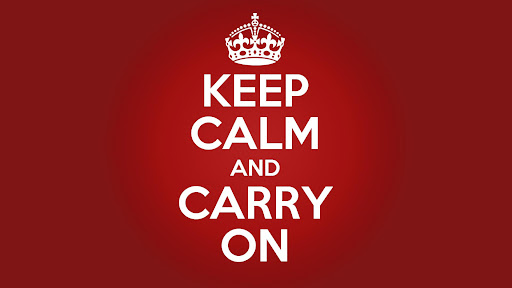
It may be tempting to snap back at a customer who is rude to you, but you have far more to lose than gain. If they take the low road, you should take the high road and stay above the conflict.
Remember, too, that people will often mirror the emotional signals you emit. So if you respond with anger, you can expect even more anger in return. But if you remain calm and helpful, you can expect a calmer response in return.
Remember these pointers, and you will usually come out well ahead:
Explain What Will Happen Next
What an upset customer wants more than anything else is reassurance that you will resolve their problem. So be sure to explain what will happen next. It’s not enough to put the plan into action...the customer must be in the loop, too.
An excellent way to do this is to present them with a timeline for resolving the issue. Explain each step in the process and how long every step will take. This will help you to manage customer expectations and prevent problems further down the track.
Copyright © SocialSaleRep. All Rights Reserved.