
Lesson 4: Emojis & Exclamations
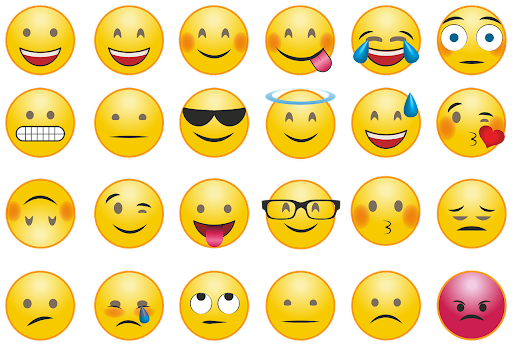
Emojis are not just fun to use; they have an important role to play in chat communication. Have you ever received a message and wondered how to interpret it? Even simple messages can be a minefield. Let’s say you get a message like this:
‘Just fantastic...well done.’
That could be taken at face value, meaning the sender is happy with what you did. Or it could be read as being sarcastic, which gives it a whole different meaning. Without the nuance of voice, it’s hard to know.
Using emojis can fix this. The message is much easier to understand if we simply add a smiley face:
‘Just fantastic...well done.  ’
’
Phew...seems like you really did a fantastic job!

There are many ways you can use emojis to your advantage when chatting with customers. You should avoid going overboard; only use them when they help to clarify your meaning. Going crazy with emojis can make your chat seem too personal and informal. But used wisely, they help people to understand your intent.
Here are some tips for using emojis successfully in live chat.
Use Simple Smileys
A smiley face is an excellent tool for building rapport with customers. It’s a universally understood symbol that gets every chat off to a friendly start.
Most of the time, though, you should stick to a basic smiley face. That has the right positive tone without being inappropriate. Other smiley faces are more problematic.
For example, you should probably avoid:
 — may seem a little creepy
 — definitely feels a little too intimate
Beware of Culture Conflicts
The thumbs-up symbol is universally understood, so you might think the thumbs-up emoji would be a no-brainer to use in live chats: 
Sure, this works great in most countries. But in Iran, it’s considered an insult. So you need to know what each emoji means around the world to avoid giving offence. This is another reason for sticking to a small number of well-known, safe emojis.
Another emoji that can be taken the wrong way is the fist-bump: 
Some people will take this as a friendly gesture, while others may see it as a symbol of aggression. Remember that it’s not about the message you intended to convey. What matters is the meaning the receiver perceived.
Consider the Age Group
If you know the age group of the people you are likely to be chatting to, this can help you gauge the correct use of emojis for your conversations. For example, two-thirds of millennials say they are happy to use emojis in chats, while only a third of people aged over 65 feel comfortable with them.
So if you are working for a company selling computer game accessories, using emojis is probably a good idea. But if your employer is selling hearing aids, you should probably minimize the use of emojis—or drop them altogether.
Used thoughtfully, emojis are another useful weapon in your live chat toolbox. You can use them to spice up your chats and make your meaning clear. Just be careful to steer clear of the pitfalls. Good luck! 
Copyright © SocialSaleRep. All Rights Reserved.